
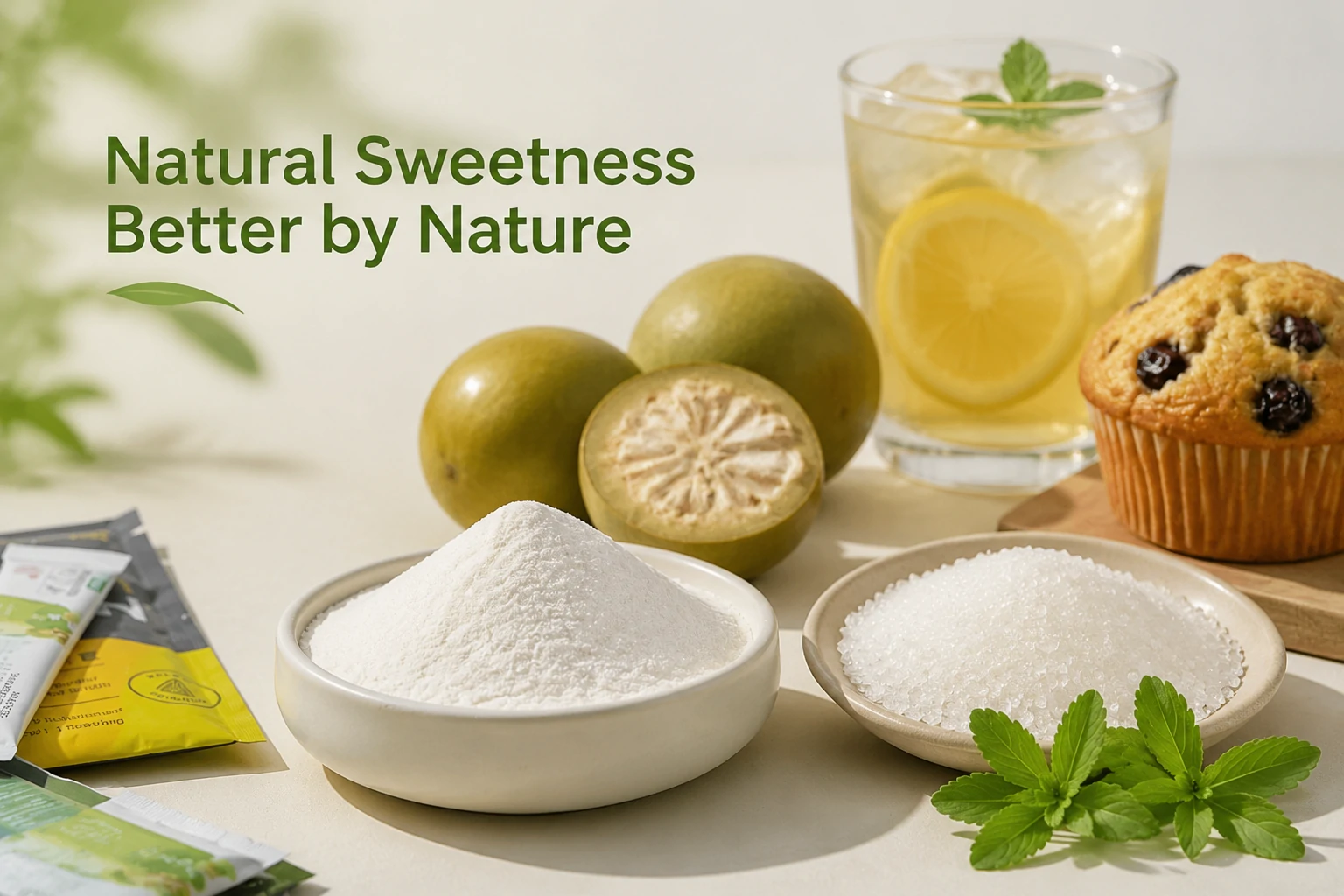
A direct manufacturer of natural sugar substitutes should help a product team solve more than sweetness. Monk fruit extract and stevia extract can reduce added sugar in beverages and baked goods, but neither ingredient replaces sugar's bulk, browning, moisture control, or texture. Commercial success depends on selecting the right extract grade, rebuilding the missing functions of sugar, and qualifying the same material that will be supplied at scale.
HuachengBio manufactures both monk fruit extract and stevia extract, giving beverage and bakery teams a single technical discussion for sweetness profile, sample testing, quality documents, and bulk supply. This guide explains how to compare the two extracts and how to structure a useful manufacturer-direct inquiry.
Buying through a direct manufacturer can shorten the path between the formulator's sensory feedback and the team responsible for extract grade, production, and release testing. That matters when a sample is close but not quite right. A distributor may be able to quote available stock; a manufacturer should also be able to discuss mogroside or steviol glycoside profile, test method, batch consistency, process fit, and whether a different grade would improve the formula.
The commercial advantage is control, not simply a lower unit price. Procurement should confirm that the quoted manufacturer controls the production site named on the quality documents, can trace the approved sample to a commercial specification, and has a change-notification process. R&D should receive the exact grade proposed for scale-up rather than a convenient laboratory sample that will later be substituted.
For HuachengBio, the integrated industry chain covers monk fruit seedling and planting work, R&D, manufacturing, and quality control. Buyers can use that structure as the starting point for questions about raw-material continuity, technical ownership, lot release, and production planning.
Both ingredients are high-intensity sweeteners, so formulators use much less of them than sucrose. Their active components and sensory behavior differ. Monk fruit sweetness comes mainly from mogrosides, especially Mogroside V. Stevia sweetness comes from steviol glycosides such as Reb A and Reb M. The named assay is therefore part of the ingredient identity, not a minor line on the certificate of analysis.
HuachengBio's H2-Luo Monk Fruit Extract range lists Mogroside V grades from 20% through 90%, while the broader product specification extends beyond those common commercial grades. Its H2-Via Stevia Extract range lists Reb A at 50%-99% and Reb M at 95%, with HPLC used for assay. Those choices allow a buyer to screen more than one sweetness profile instead of treating every monk fruit or stevia powder as equivalent.
| Decision point | Monk fruit extract | Stevia extract | Buyer action |
|---|---|---|---|
| Primary sweet compounds | Mogrosides; grade often defined by Mogroside V assay. | Steviol glycosides; grade may be defined by Reb A, Reb M, or another profile. | Put the exact compound profile and assay method on the specification. |
| Sensory role | Can provide a rounded sweetness but may develop a distinct fruit-like or lingering note by matrix and dose. | Can deliver efficient sweetness but bitterness or licorice-like finish may appear in some systems. | Run coded sensory tests in the finished base, not only in water. |
| Dosage | Low use level; the required amount changes with purity and product matrix. | Low use level; the required amount changes with glycoside profile and matrix. | Ask for a starting range, then calibrate against a sucrose control. |
| Best purchasing unit | Price per kilogram is incomplete without assay and dose-in-use. | Price per kilogram is incomplete without glycoside profile and dose-in-use. | Compare cost per finished serving at the approved sensory result. |
| Blending option | Can be paired with stevia, bulk sweeteners, fibers, acids, or flavors. | Can be paired with monk fruit and other tools to reshape onset and finish. | Record the full ingredient system and mixing order during approval. |
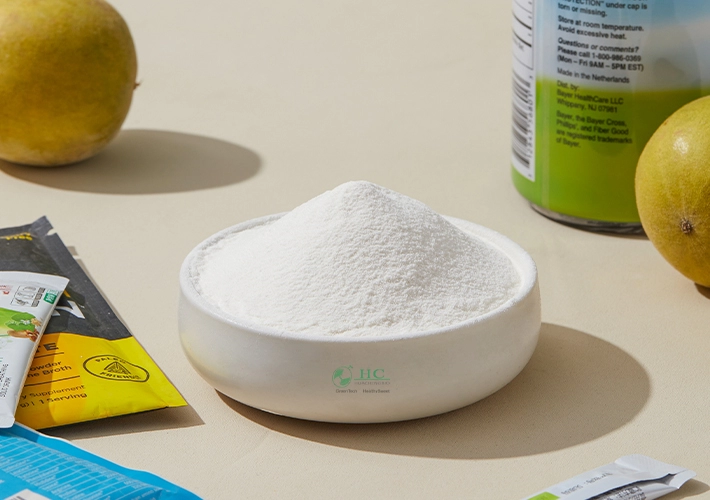
A beverage trial should begin with the finished drink target: sucrose equivalent, added-sugar reduction, serving size, pH, flavor system, carbonation, heat treatment, color requirement, and expected shelf life. Tea, coffee, citrus, dairy, protein, botanical, and electrolyte systems expose different parts of a sweetener's taste curve. A grade that performs well in flavored water may not work at the same dose in a bitter active beverage.
Use the beverage application route to discuss the product matrix, then ask for two or three technically distinct samples when appropriate. Compare sweetness onset, peak intensity, body, acidity balance, bitterness, aftertaste, aroma release, clarity, and color. Evaluate the samples immediately after processing and again through the intended shelf-life study.
Dosing deserves special attention because high-intensity sweeteners are used at small levels. A concentrated premix or a manufacturer-designed blend may improve plant handling and distribution. The selected approach should still be verified for solubility, dispersion, metering accuracy, and homogeneity under the factory's actual mixing sequence.
In baking, replacing sweetness is the easy part. Sugar also adds mass, controls water, supports aeration, influences spread, contributes to browning, and affects tenderness and shelf life. Monk fruit extract or stevia extract can replace a portion of the sweetness, but the formula still needs a deliberate plan for the solids and functionality that disappear with sucrose.
For a reduced-sugar baking project, define the product before choosing a sweetener system. A cookie depends on spread and crispness; a cake depends on batter structure and aeration; a filled bar may need water activity and binding control. Bulking ingredients, fibers, polyols, rare sugars, starches, fats, proteins, or hydrocolloids may be needed, subject to the target label and market rules.
Bench approval should cover batter or dough behavior as well as sweetness. Measure piece weight, spread or rise, bake loss, color, crumb or snap, moisture, water activity where relevant, and texture over shelf life. Keep the extract dose separate from the bulking-system decision so the team can diagnose whether a failed trial comes from flavor or structure.
| Sugar function | Risk after reduction | Qualification check |
|---|---|---|
| Sweetness | Weak, delayed, or lingering sweetness; exposed cocoa or grain bitterness. | Coded sensory comparison at the intended serving size. |
| Bulk and structure | Lower batter mass, different spread, reduced cake volume, or fragile texture. | Piece dimensions, specific volume, density, spread, and breakage. |
| Moisture management | Dry eating quality or an unintended shelf-life change. | Bake loss, moisture, water activity, texture, and package trial. |
| Browning and flavor | Pale surface and less developed baked flavor. | Instrumental or controlled visual color check plus sensory review. |
| Process tolerance | Uneven distribution when the sweetener dose is very small. | Premix method, mixing time, batch homogeneity, and scale-up trial. |
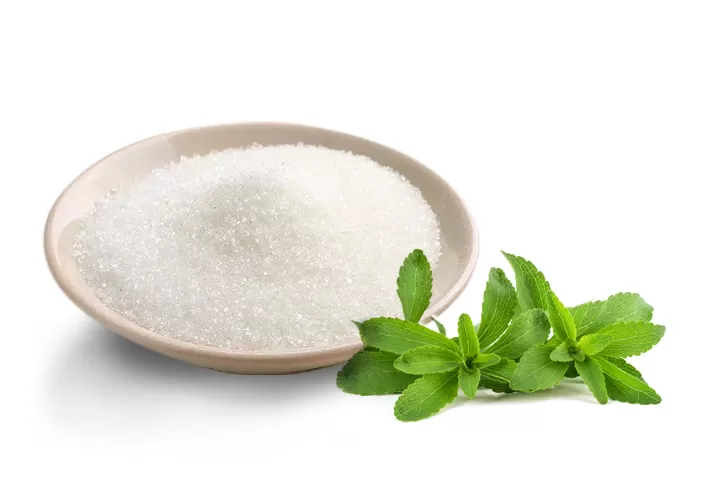
Partial replacement is often the fastest route when the brief permits some sugar. Remaining sucrose can preserve body, browning, and familiar sweetness while monk fruit or stevia supplies the sweetness removed from the formula. This approach can reduce the number of functional changes that must be solved at once.
Full replacement is a system-design project. The formulator must rebuild sweetness, solids, texture, process behavior, and shelf-life performance, then check the labeling and regulatory position of every supporting ingredient in the destination market. A manufacturer sample should therefore be requested against a defined replacement target, not simply described as suitable for baking or beverages.
Blending monk fruit and stevia is another option when neither extract alone gives the preferred curve. The purpose of the blend is not to make a longer ingredient list. It is to reach the sensory target at a workable dose and cost while controlling the aftertaste that appears in the real product.
A successful bench sample is only useful when procurement can buy the same material. Record the manufacturer, product name, grade, lot number, assay, sample date, dose, formula version, processing conditions, and sensory result. Ask the supplier whether the sample came from routine commercial production and whether any scale or site change is expected for the order.
After the bench trial, move to a pilot or plant trial using the intended mixing and dosing equipment. Retain the approved sample and a production-trial sample. The written specification should capture the properties that protect the product, while an agreed sensory reference can help manage differences that a chemical assay alone may not reveal.
| Stage | Evidence to keep | Release decision |
|---|---|---|
| Supplier screening | Site identity, product family, technical contact, quality scope, and supply route. | Manufacturer can answer the application and documentation brief. |
| Bench sample | Lot, assay, dosage, formula, process notes, and coded sensory results. | One or more grades meet the defined product target. |
| Pilot trial | Commercial mixing method, yield, homogeneity, process behavior, and finished-product data. | The formula transfers to realistic equipment and batch size. |
| Specification approval | Signed specification, methods, COA fields, packaging, shelf life, and change control. | Quality and procurement can identify the exact approved material. |
| First bulk lot | COA, incoming checks, retained sample, and comparison with the approved reference. | The delivered lot meets written and sensory acceptance criteria. |
Two extracts with different assays or sensory efficiency cannot be compared fairly by kilogram price. Calculate the dose needed per batch and per serving, then include freight, duty, testing, handling, premix preparation, yield loss, and any additional flavor or bulking system required to reach the target. A higher-purity grade may use less material but still need more flavor work; a lower-priced grade may cost more in the finished formula.
The RFQ should give each manufacturer the same technical and commercial brief. Ask for the proposed grade, assay, preliminary use range, sample size, MOQ, pack size, current lead time, shelf life, Incoterm, payment terms, annual capacity for that grade, and change-notification practice. This keeps price attached to a defined material and application rather than a generic natural sweetener quote.
Share your beverage or baking application, sugar-reduction target, process conditions, destination market, document checklist, pilot quantity, and annual forecast. HuachengBio can then propose suitable monk fruit extract or stevia extract grades and prepare samples for a controlled qualification program.
Contact HuachengBio about samples and bulk supplyNeither is automatically better. The choice depends on the product's flavor, target sweetness, allowed ingredient system, and the plan for replacing sugar's bulk, moisture, browning, and texture functions. Test defined grades in the complete formula.
Pure high-intensity extracts do not replace sugar one to one by weight or volume. They replace sweetness at low dosage. A formulated blend with a bulking ingredient may be designed for easier substitution, but its equivalence must be stated and tested.
A grade may be suitable for both categories, but approval is application-specific. Beverage work should check acid balance, clarity, process, and shelf life. Bakery work must also rebuild bulk, moisture, browning, and structure.
Direct access can improve grade selection, technical communication, sample traceability, specification control, quality-document review, and scale-up planning. Buyers should still verify the production site, current documents, and commercial terms.
Request a signed specification, representative or current COA, TDS, SDS, composition, allergen and origin statements, shelf life, packaging, storage, traceability information, relevant test reports, and current certificates required by the destination market or customer.
Compare the approved dose and total cost per finished serving rather than relying on the price per kilogram. Include assay, sensory performance, freight, testing, plant handling, and any extra flavor or bulking ingredients needed.
Approve the grade that works after real processing and can be tied to a written specification, traceable sample, current document package, and repeatable bulk supply. That is the practical value of working directly with a natural sugar substitute manufacturer.







 EN
EN EN
EN CN
CN ES
ES PT
PT SV
SV DE
DE TR
TR FR
FR AR
AR BG
BG HR
HR CS
CS DA
DA NL
NL FI
FI EL
EL HI
HI IT
IT JA
JA KO
KO NO
NO PL
PL RO
RO RU
RU CA
CA TL
TL IW
IW ID
ID LV
LV LT
LT SR
SR SK
SK SL
SL UK
UK VI
VI SQ
SQ ET
ET GL
GL HU
HU MT
MT TH
TH FA
FA AF
AF MS
MS GA
GA BE
BE UZ
UZ